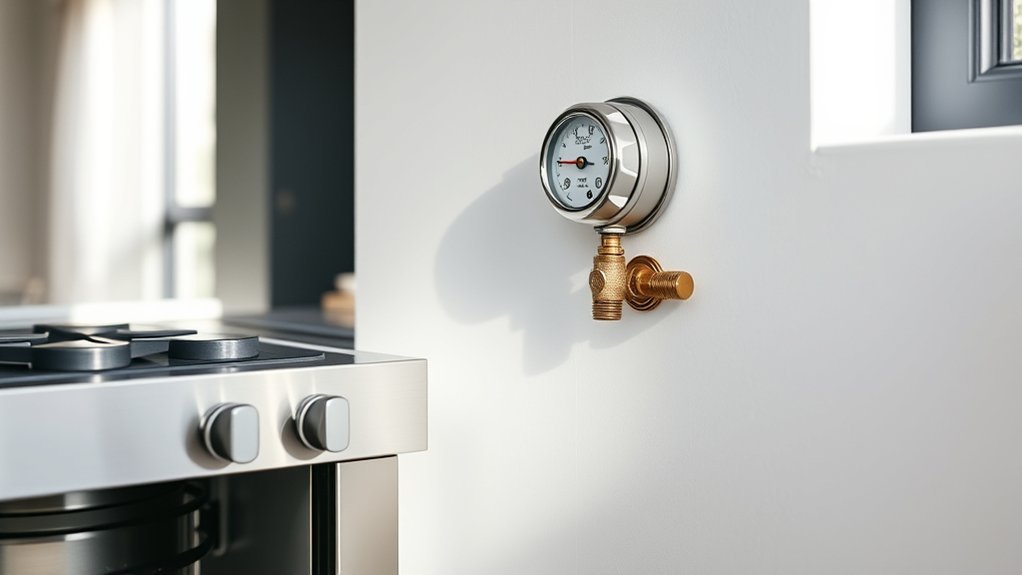
How to Identify Gas Fixtures in Sellers Disclosure
To identify gas fixtures in a seller’s disclosure, start by looking for mentions of common gas appliances like stoves, water heaters, fireplaces, meters, and shut-off valves. These are key indicators that gas lines and fixtures are present.
Make sure to check the details on their condition and location. Also, see if there’s any information about maintenance or safety inspections — that can tell you a lot about how well they’ve been cared for.
It’s a good idea to cross-reference the disclosure with inspection reports and utility records. This helps confirm everything is accurate and nothing important is missed.
Keep an eye out for vague or incomplete disclosures, as they might be hiding fixtures you don’t want to find later.
If you want to be extra thorough and understand where gas lines typically run in a home, keep exploring this topic. It’ll save you from surprises down the road!
Key Takeaways
- Check disclosure forms for sections about gas appliances, including stoves, heaters, fireplaces, and grills. Then, confirm those details against inspection reports.
- Look for mentions of visible gas lines, meters, shut-off valves, and appliance labels that indicate gas use in the seller’s disclosures. These clues can be pretty telling.
- Verify the age, condition, and maintenance history of any gas fixtures listed. This helps make sure the disclosure is accurate and complete.
- Watch out for any discrepancies or vague statements about gas fixtures. Sometimes, this might signal hidden or undisclosed gas appliances.
- Use visual clues like manufacturer labels, gas piping, and safety certifications. Also, cross-check with reports to confirm the presence of gas fixtures.
Why Accurate Gas Fixture Disclosure Matters
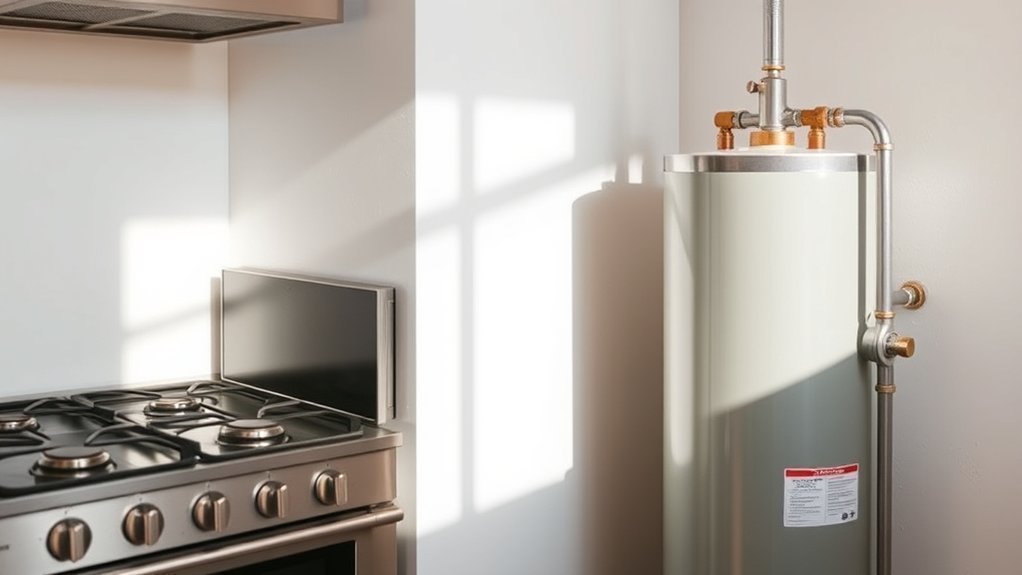
Why does accurate gas fixture disclosure matter so much during a property sale? When you provide clear disclosure of gas fixtures, you guarantee buyers fully understand the presence, location, and condition of all gas appliances. This transparency reduces safety risks and helps avoid future disputes over unrecognized or uncharged fixtures that might impact property value.
You’ll also protect yourself from legal liabilities since misrepresenting or omitting gas fixtures can lead to serious consequences if safety issues arise later. Accurate disclosure supports compliance with local building codes and confirms that proper permits were obtained for gas installations.
Common Types of Gas Fixtures and Appliances
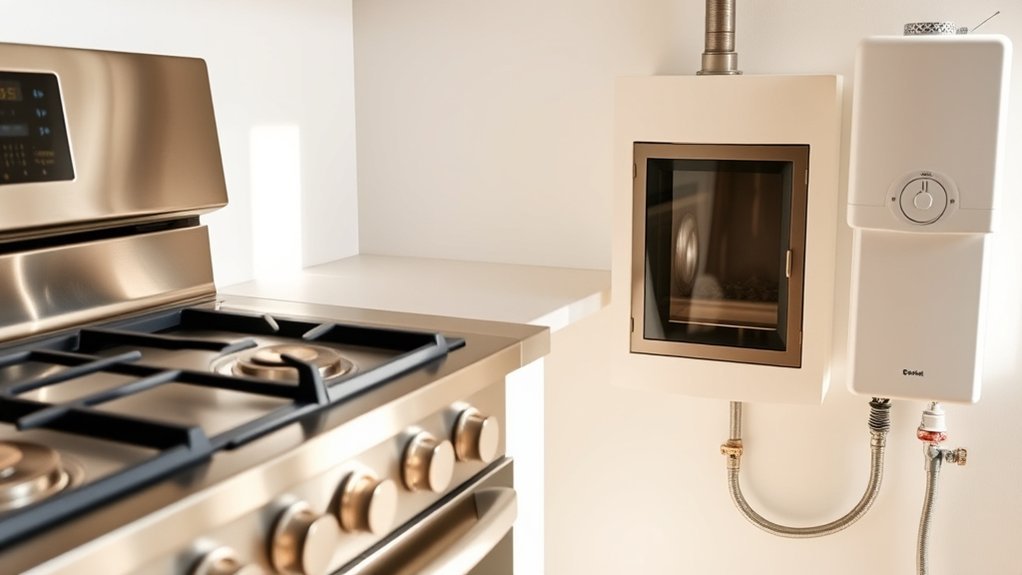
You’ll often find gas stoves, water heaters, fireplaces, and outdoor grills connected to dedicated gas lines. To spot gas-powered fixtures, look for shut-off valves, visible piping, or labels on the appliance itself.
Knowing these common uses helps you accurately identify gas fixtures during disclosure. It’s pretty handy to keep an eye out for these details!
Typical Gas Appliance Types
Several common gas appliances you’ll encounter in a home include water heaters, furnaces, stoves, ovens, and fireplaces. These gas fixtures each have distinct features that help you recognize them quickly.
For example, gas water heaters usually sit in utility rooms or basements, connected to visible gas lines. Gas ranges and ovens have control knobs and clear gas supply connections.
Gas fireplaces often come with dedicated gas lines and ventilation systems to guarantee safety.
To picture typical gas appliances, think about:
- A water heater with pipes and a gas valve in a basement corner
- A kitchen stove featuring gas knobs and burner grates
- A fireplace with a sealed vent and a gas shut-off valve nearby
Knowing these details helps you identify gas fixtures accurately during a seller’s disclosure.
Identifying Gas-Powered Fixtures
Recognizing common gas appliances is just the start; knowing how to spot gas-powered fixtures during an inspection or while reviewing a seller’s disclosure is equally important. When identifying gas-powered fixtures, look for gas shut-off valves near the appliance, pilot lights, or control knobs labeled for gas use.
Flexible metal tubing or visible gas lines also signal gas fixtures. Checking manufacturer labels for “gas” or “propane” can confirm your findings.
| Fixture Type | Visual Cue | Emotional Impact |
|---|---|---|
| Water Heater | Gas shut-off valve | Assurance of warmth |
| Stove | Gas control knob | Comfort in cooking |
| Fireplace | Visible gas line | Cozy ambiance |
| Space Heater | Pilot light | Safety and coziness |
Identifying gas-powered fixtures ensures you understand the home’s energy setup confidently. It’s a simple step that can give you peace of mind about the property’s safety and functionality.
Common Residential Gas Uses
Where do gas fixtures commonly appear in a home? In residential real estate, gas fixtures typically include vital appliances connected to natural gas or propane. You’ll often find them in areas where heating, cooking, or hot water is needed.
Common types of gas fixtures include water heaters and furnaces with visible gas supply lines and shut-off valves. You’ll also see gas stoves and ovens featuring gas control knobs or pilot lights. Fireplaces or space heaters that rely on gas for operation are pretty common too.
Recognizing these fixtures is essential when reviewing sellers disclosures. Look for flexible or rigid metal pipes, nearby shut-off valves, and pilot lights to identify gas-powered appliances accurately.
Being aware of these details helps you understand the home’s gas system better. Plus, it ensures you make safe, informed decisions during residential real estate transactions.
Where Gas Fixtures and Lines Are Located in a Home
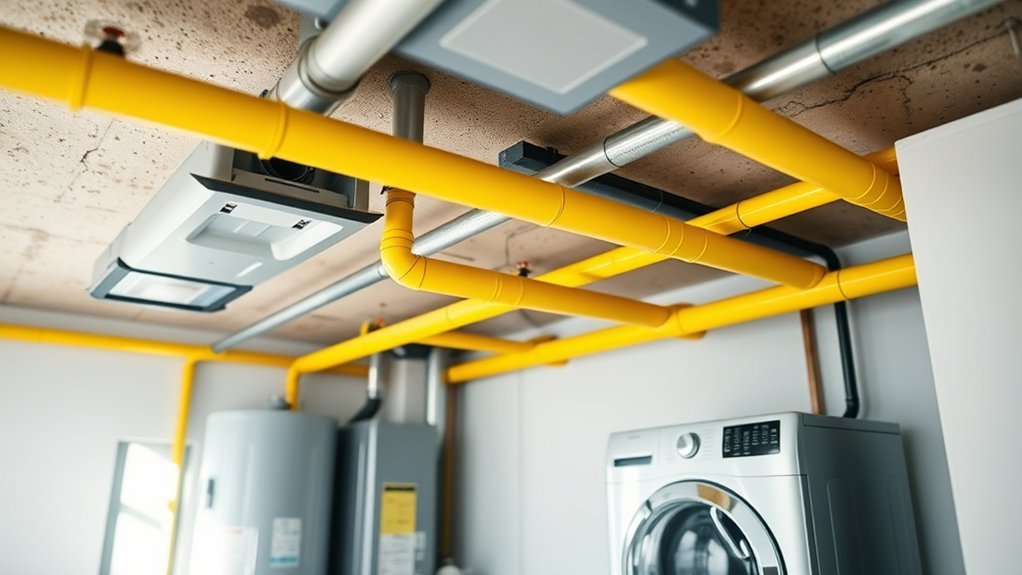
If you want to find gas fixtures in your home, start by checking near appliances like water heaters, furnaces, fireplaces, and stoves. Gas shut-off valves often sit at the base of these appliances or along main gas lines.
Gas lines usually run through basements, garages, or utility areas, connecting to various fixtures. Kitchens often have gas lines linked to stoves, ovens, and sometimes grills.
Bathrooms may contain gas fixtures for water heaters or dryers, with lines hidden behind walls or cabinets. So, don’t forget to peek behind those spots when you’re looking around.
| Location | Typical Gas Fixtures |
|---|---|
| Basement | Main gas lines, furnace |
| Kitchen | Stove, oven, grill |
| Bathroom | Water heater, gas dryer |
| Garage | Gas lines, water heater |
| Living areas | Fireplace |
Spotting Gas Fixtures on Disclosure Forms
You’ll want to focus on common gas fixtures like stoves, heaters, and fireplaces when reviewing disclosure forms. Check for sections that ask about gas appliances or connections, and look for seller confirmations.
Then, verify these details by comparing the form with what you see during your property inspection. It’s a good way to catch anything that might have been missed or overlooked.
Common Gas Fixture Types
Look out for:
- Water heaters and kitchen stoves connected to the gas supply. These are pretty common in many homes.
- Fireplaces with venting systems designed for gas combustion. They add a cozy vibe and use gas safely.
- Outdoor grill connections using flexible gas tubing. It’s handy for BBQs and easy to set up.
Disclosure Form Indicators
Recognizing common gas fixtures like water heaters and fireplaces is a helpful start, but the seller’s disclosure form offers the most direct clues about what’s actually present in the property. On the disclosure form, gas fixtures often appear under systems or appliances sections, where specific checkboxes or detailed descriptions indicate their presence.
You’ll want to look for mentions of gas lines, gas stoves, furnaces, or water heaters. Sellers may even specify where these gas fixtures are located, like kitchens, fireplaces, or outdoor grills, providing clear insight. Sometimes, the disclosure form includes notes on the age or condition of these fixtures.
Additionally, references to natural gas or propane systems integrated into the property also signal the existence of gas fixtures you should be aware of. So, it really pays to review the disclosure form carefully to catch all these details.
Verifying Gas Appliance Details
When reviewing a seller’s disclosure form, pay close attention to any gas-powered appliances listed under the “Appliances” or “Systems” sections. These often include water heaters, furnaces, stoves, and fireplaces connected to gas lines.
To verify gas fixtures on the seller’s disclosure, look for mentions of gas supply lines, meters, or shut-off valves tied to these appliances. Also, confirm the seller has noted recent safety inspections or maintenance.
During your inspection, focus on visible gas piping or meters near utility areas. Check for gas tanks or shut-off valves accessible on the property.
Don’t forget to look for any notes about repairs or safety checks on gas appliances. Spotting these details ensures you accurately identify gas fixtures and assess their condition.
Using Utility Records to Identify Gas Fixtures
How can utility records help you identify gas fixtures in a property? Utility records provide detailed information about gas meter connections, billing, and service history.
By reviewing these records, you can pinpoint where gas fixtures are installed, discover installation dates, and track any upgrades or repairs. They also help you identify specific gas-powered appliances tied to the property’s gas supply.
| Utility Records Aspect | Information Provided | How It Helps You |
|---|---|---|
| Meter Connections | Location of gas entry points | Locate gas fixtures easily |
| Billing Details | Usage per period | Identify gas appliance activity |
| Service Calls | Maintenance and repairs | Confirm fixture condition |
| Line Extensions | Upgrades or conversions | Understand fixture changes |
| Installation Dates | When fixtures were added | Verify fixture age and history |
Inspection Reports and Gas Appliance Details
You’ll find key gas appliance details in inspection reports, like model numbers and the condition of fixtures such as water heaters and stoves.
Make sure to pay close attention to notes on gas lines, shut-off valves, and any signs of leaks or corrosion.
This info really helps you accurately identify and disclose all gas fixtures in the seller’s paperwork.
Gas Appliance Identification
Where can you spot gas fixtures in a home? You’ll often find gas appliances connected by rigid metal pipes or flexible connectors, visible near key household systems.
Inspection reports usually highlight these fixtures, detailing their location, size, and condition. So, reviewing them helps you identify gas appliances accurately.
When looking around, focus on stoves, water heaters, furnaces, and fireplaces with visible gas lines. Also, check for labels or stickers showing manufacturer info and safety certifications.
Don’t forget to look for gas shut-off valves near appliances or utility areas. These signs confirm which fixtures use gas, making your identification process straightforward.
Inspection reports serve as an essential guide, giving you a clear picture of gas appliance presence and status without guesswork.
Inspecting Gas Fixture Details
Although gas fixtures may seem complex at first, inspecting their details in reports and on appliances becomes straightforward once you know what to look for.
In inspection reports, scan for mentions of gas lines, meters, or fuel types linked to appliances. Visual signs like gas shut-off valves or pilot lights help confirm gas fixtures during a walkthrough.
Always check manufacturer labels on appliances to verify gas use.
| Inspection Reports | Gas Appliance Details |
|---|---|
| Mentions gas lines/meters | Stoves, water heaters, fireplaces |
| Specifies fuel type | Installation labels |
| Notes gas connections | Flexible gas connectors |
Gas Fixture Maintenance History
How often have gas fixtures like stoves, water heaters, or furnaces been inspected and maintained? Knowing the maintenance history of these gas fixtures is essential when reviewing a seller’s disclosure.
Regular inspection and maintenance of gas fixtures are crucial when assessing a seller’s disclosure.
You want to see records showing regular inspections, safety checks, and any repairs or replacements performed by licensed professionals. Proper documentation demonstrates adherence to local safety codes and helps identify potential issues before they become hazards.
When examining maintenance history, look for annual or bi-annual servicing reports. Also, check for notes on repairs for leaks, corrosion, or faulty parts.
Don’t forget to look for evidence of permits and inspections confirming compliance. This history not only assures you the fixtures are safe but also signals the seller’s transparency and responsibility in upkeep.
Warning Signs of Hidden or Undisclosed Gas Fixtures
If you notice vague or inconsistent answers on the seller’s disclosure about gas lines or appliances, it could be a red flag for hidden gas fixtures. Pay close attention to the disclosure form—lack of detailed information, especially in older homes, may suggest unlisted gas fixtures.
Repeated repairs or modifications near gas appliances without permits can also indicate concealed gas lines. Compare the disclosure form with the home inspection report; discrepancies between the two often reveal undisclosed gas systems.
Additionally, look for visual clues like exposed piping, unusual fittings, or outdated appliances that the seller might not mention. By spotting these warning signs, you can protect yourself from surprises related to hidden gas fixtures when purchasing a home.
Questions to Ask Sellers About Gas Fixtures
When you’re buying a home, asking the seller specific questions about gas fixtures helps you uncover important details that might not be apparent from the disclosure alone. You want to clarify the condition and history of these fixtures to avoid surprises later.
Here are key questions to ask sellers:
Key questions to ask sellers help ensure gas fixtures are safe, functional, and properly maintained.
- Are all gas fixtures, like stoves, water heaters, and fireplaces, original or have any been replaced or upgraded?
- Have any gas fixtures been recently inspected or serviced by a licensed professional?
- Are there any current issues, leaks, or non-functional gas fixtures that need repair?
Don’t hesitate to request documentation or receipts for any recent repairs or installations. This helps confirm the gas fixtures disclosed are accurate and in good condition.
How to Verify Repairs and Permits for Gas Fixtures
Verifying repairs and permits for gas fixtures requires careful review of the seller’s disclosure and supporting documents. Start by checking the disclosure for any mention of gas fixture repairs or replacements, paying close attention to dates.
Request copies of permits and inspection reports to confirm that repairs were done by licensed professionals. Look for labels or stamps on the fixtures that indicate compliance with local building codes and manufacturer standards.
Make sure all recent repairs or installations have proper permits and are documented in official records. Finally, consult a licensed professional during inspection to guarantee that repairs meet safety and regulatory standards.
This thorough verification protects you from potential hazards and ensures the gas fixtures are up to code. It’s always better to be safe than sorry when it comes to gas appliances!
Frequently Asked Questions
What Are Considered Fixtures When Selling a Home?
You consider fixtures anything permanently attached to the property, like built-in appliances, plumbing, lighting, or gas-connected items. They’re meant to stay with the home, so you’ll include them in the sale unless otherwise agreed.
Basically, if it’s stuck to the house, it’s probably a fixture. But, if you want to take something with you, you’ll need to make that clear ahead of time. Otherwise, the new owner will expect it to be there when they move in.
What Are the Three Most Important Documents in Any Sale of Property?
Think of a sturdy tripod holding a camera steady—those are your three key documents: the Purchase Agreement, Seller’s Disclosure Notice, and Title Report.
They keep your property sale balanced, transparent, and legally sound from start to finish. It’s like having a solid foundation that you can trust every step of the way.
What Happens if Sellers Don’t Disclose Something?
If sellers don’t disclose something, you could face unexpected costs or safety issues. You might also have legal grounds to seek damages or renegotiate the deal.
This helps protect you from hidden problems that pop up after closing. It’s always better to know what you’re getting into upfront!
What Is the Purpose of a Disclosure Statement?
Think of a disclosure statement like a medieval scroll—it protects you by revealing known property issues upfront. It guarantees you won’t face surprises later, helping you make informed decisions and avoid legal troubles.
Basically, it’s there to keep things clear and fair between buyers and sellers. So, you know exactly what you’re getting into before you commit.
Conclusion
When you walk through a home, imagine the quiet hum of gas flowing through hidden pipes, powering warmth and cooking meals. Identifying those gas fixtures in a seller’s disclosure is like uncovering the home’s secret heartbeat.
By asking the right questions and checking records, you’ll shine a light on what’s beneath the surface. This helps ensure safety and peace of mind.
After all, knowing exactly what’s behind those walls lets you breathe easier in your new home. Spotting gas fixtures in a seller’s disclosure is crucial—it gives you a clear picture of the home’s gas setup. This understanding helps you avoid surprises and keeps your family safe. So, when reviewing disclosures, pay close attention to gas appliances and connections. It’s a simple step that makes a big difference in your home-buying journey.